
From Renewables to Molecules: What ACME–IHI’s Green Ammonia Project Signals for India
27
SEP
From Renewables to Molecules: What ACME–IHI’s Green Ammonia Project Signals for India
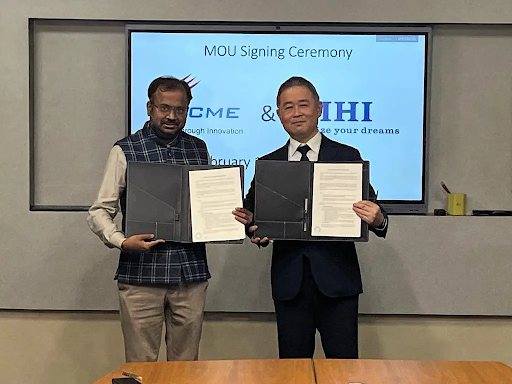
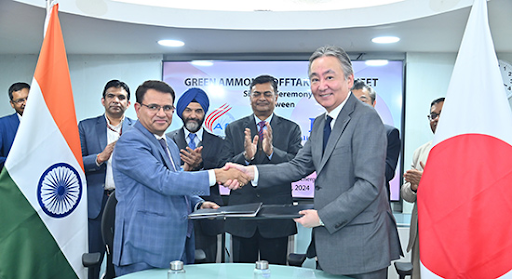
ACME Group’s partnership with Japan’s IHI Corporation to develop a green ammonia facility in Odisha represents a meaningful shift in how India’s energy transition is beginning to take shape. Rather than focusing solely on renewable power generation or pilot-scale hydrogen projects, the collaboration points toward an emerging emphasis on green molecules that can be transported, stored, and traded globally. The project highlights how India is positioning itself to move up the clean-energy value chain-beyond electrons and into export-oriented fuels and feedstocks.
Why Green Ammonia Matters in the Current Energy Transition
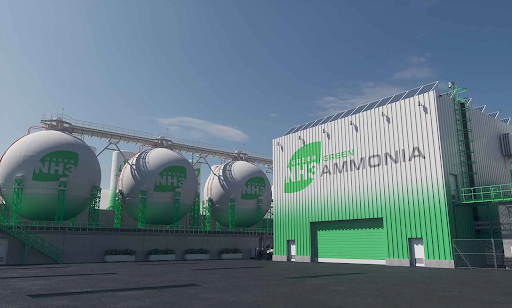
As countries pursue decarbonisation pathways, green hydrogen has attracted significant attention. However, challenges related to storage, transport, and end-use compatibility continue to limit its near-term scalability. Green ammonia, produced by combining green hydrogen with nitrogen, offers a more practical alternative for large-scale deployment. It is easier to store and transport, compatible with existing fertiliser and shipping infrastructure, and increasingly viewed as a viable energy carrier for international trade.
This context explains why green ammonia projects are now moving from concept to execution. For India, which already has a strong presence in fertiliser production and port- based exports, green ammonia presents an opportunity to link renewable energy capacity with industrial demand and global markets.
The Strategic Logic Behind the ACME–IHI Partnership
The collaboration between ACME and IHI brings together complementary capabilities. ACME contributes experience in developing large-scale renewable energy assets, which form the foundation for cost-competitive green hydrogen production. IHI, with its long history in industrial machinery and process engineering, adds credibility on the technology and execution front-particularly in ammonia synthesis and large-scale plant design.
Such partnerships are increasingly critical in green molecule projects, where technical reliability, energy efficiency, and operational stability will determine commercial viability. By combining renewable power with proven industrial process expertise, the ACME–IHI project signals an intent to move beyond demonstration facilities toward plants capable of sustained, export-oriented operation.
End-Markets: Fertilisers, Shipping Fuel, and Exports
The long-term relevance of the Odisha green ammonia project lies in its potential end- markets. Fertiliser production remains the most immediate and established use case, offering a direct pathway to decarbonising an otherwise emissions-intensive sector. Green ammonia could gradually replace conventional, fossil-fuel-based feedstock, particularly as carbon regulations tighten globally.
Beyond fertilisers, green ammonia is gaining attention as a future marine fuel, especially for long-distance shipping routes where electrification is not feasible. Several countries and shipping majors are actively evaluating ammonia-powered vessels, which could create significant demand over the next decade.

Export markets represent another critical dimension. With proximity to ports and access to competitive renewable energy, India is well positioned to supply green ammonia to regions such as Japan, South Korea, and parts of Europe-markets that face renewable resource constraints but strong decarbonisation mandates. The ACME–IHI project aligns well with this emerging trade dynamic, potentially serving as a template for future export-linked green ammonia facilities.
What This Signals for India’s Industrial Landscape
Projects such as this mark an evolution in India’s clean-energy narrative-from domestic power generation to globally relevant energy products. They also highlight the growing role of international technology partnerships in enabling scale, reliability, and market access. While challenges remain around cost, policy clarity, and long-term off take agreements, the direction of travel is clear.
The ACME–IHI green ammonia plant in Odisha is therefore less about a single facility and more about what it represents: India’s gradual entry into the global market for low-carbon molecules, with implications that extend across fertilisers, shipping, exports, and industrial supply chains.
Conclusion
The ACME–IHI partnership underscores how India’s energy transition is beginning to intersect with industrial strategy and international trade. By focusing on green ammonia-a product with clear end-markets and export potential-the project moves the conversation beyond ambition toward execution. As more such initiatives take shape, their success will depend not only on renewable capacity but on technology integration, infrastructure readiness, and the ability to secure long-term demand in a rapidly evolving global energy landscape.
The ACME–IHI green ammonia plant in Odisha is therefore less about a single facility and more about what it represents: India’s gradual entry into the global market for low-carbon molecules, with implications that extend across fertilisers, shipping, exports, and industrial supply chains.